Sign in. It’s quick, free and it’s up to you.
An account is an optional way to support the work we do. Find out more.
Sign in. It’s quick, free and it’s up to you.
An account is an optional way to support the work we do. Find out more.

LAST UPDATE | 9 Jul 2024
MAJOR CHANGES TO the social welfare system, which will link payments to applicants’ work history, will commence later this year as a planned increases to PRSI are expected to kick in from 1 October.
The Pay-Related Benefit was today approved by by both houses of the Oireachtas and will be presented to the President for signing. The plan, according to the Department of Social Protection, will put Ireland in with other EU member states.
The new payment will be made available to people who just became unemployed and are seeking employment.
Unlike the jobseekers’ allowance, the pay-related benefit will be proportional to the PRSI the recipient paid up to five years before they became unemployed.
The Irish Congress of Trade Unions (ICTU), a collective body of Ireland’s major unions, has welcomed the reform. It’s general secretary Owen Reidy said the new payment will benefit those who bear the impacts of job losses, such as the workers in Tara Mines in Co Meath.
“The Irish Congress of Trade Unions and affiliated unions welcome the passage of this Bill to modernise unemployment insurance and strengthen the social safety net for workers,” Reidy said.
Humphreys today said: “We need to reward the people who have worked hard; paid their dues; and contributed to the economy through their PRSI contributions. That’s what Pay-Related Benefit is about.
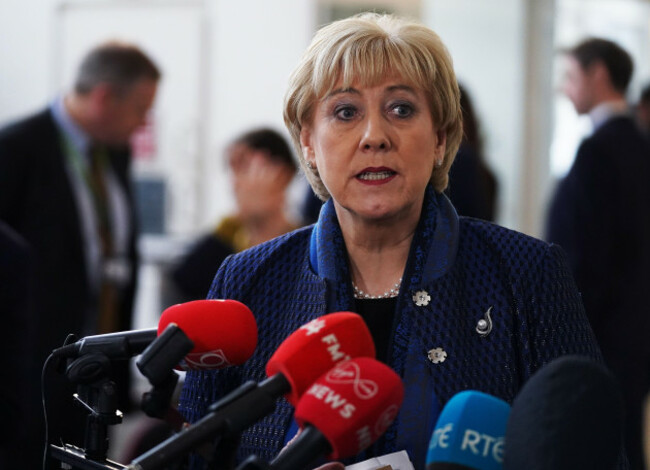
“This is about supporting workers who lose their employment by ensuring they don’t suffer a cliff-edge drop in income,” she added.
As the new payment is linked to the social insurance tax, PRSI rates are set to increase incrementally for all classes - employer, employee and self-employed.
There will be an increase of 0.1 percentage points for the next two years, followed by a 0.15 percentage point increase in 2026 and 2027 and a final 0.2 percentage point increase in 2028.
Increases to PRSI contributions will allow the State Pension age to remain the same (66 years old) but also help to sustain the State’s Social Insurance Fund, according to the Department.
Increasing PRSI contributions has come under some scrutiny however as it is unclear if it is currently the best option in front of Government. ICTU’s Reidy has called on the Minister to publish the options paper on which the Department made the decision.
“The lack of transparency risks doing untold damage to support for their PRSI roadmap to a sustainable social welfare system,” he added.

To embed this post, copy the code below on your site














have your say